
Petermann technology lexicon

Quartz oscillators and their applications

Introduction:

Quartz oscillators are electronic circuits based on an oscillating quartz crystal to generate a highly stable frequency. Depending on the requirements and environmental conditions, frequency stabilities in the range of 10E-5 to 10E-12 per day can be achieved. Standardised oscillator modules are available for everyday applications, while high-precision oscillators are usually designed and manufactured individually for special requirements.

Oscillator types:

According to international standards, crystal oscillators are divided into the following categories:

  1. SPXO - Simple Package Crystal Oscillators
  2. VCXO - Voltage Controlled Crystal Oscillator
  3. TCXO - Temperature Compensated Crystal Oscillator
  4. OCXO - Temperature Stabilised Crystal Oscillators (Oven Controlled Crystal Oscillator)
  5. LPXO - Low Power Crystal Oscillators with temperature stabilities from ±0.5ppm above -40/+85°C and with an ageing of ±1x10E-6.
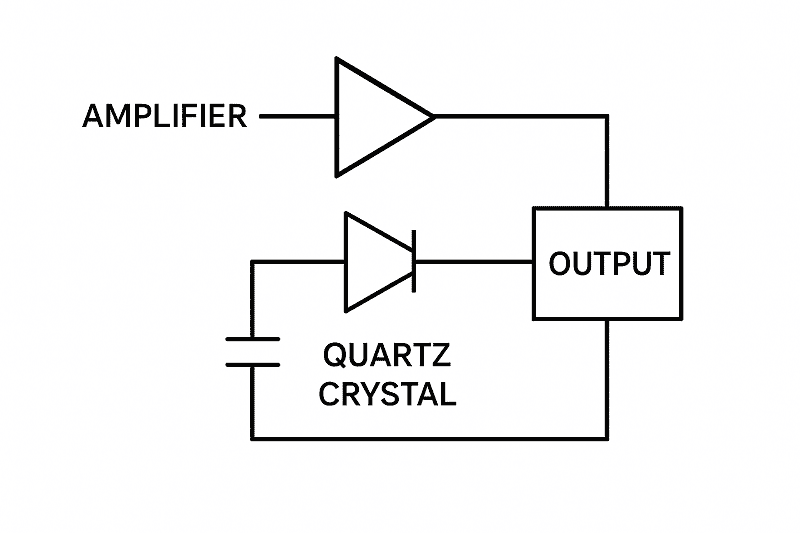
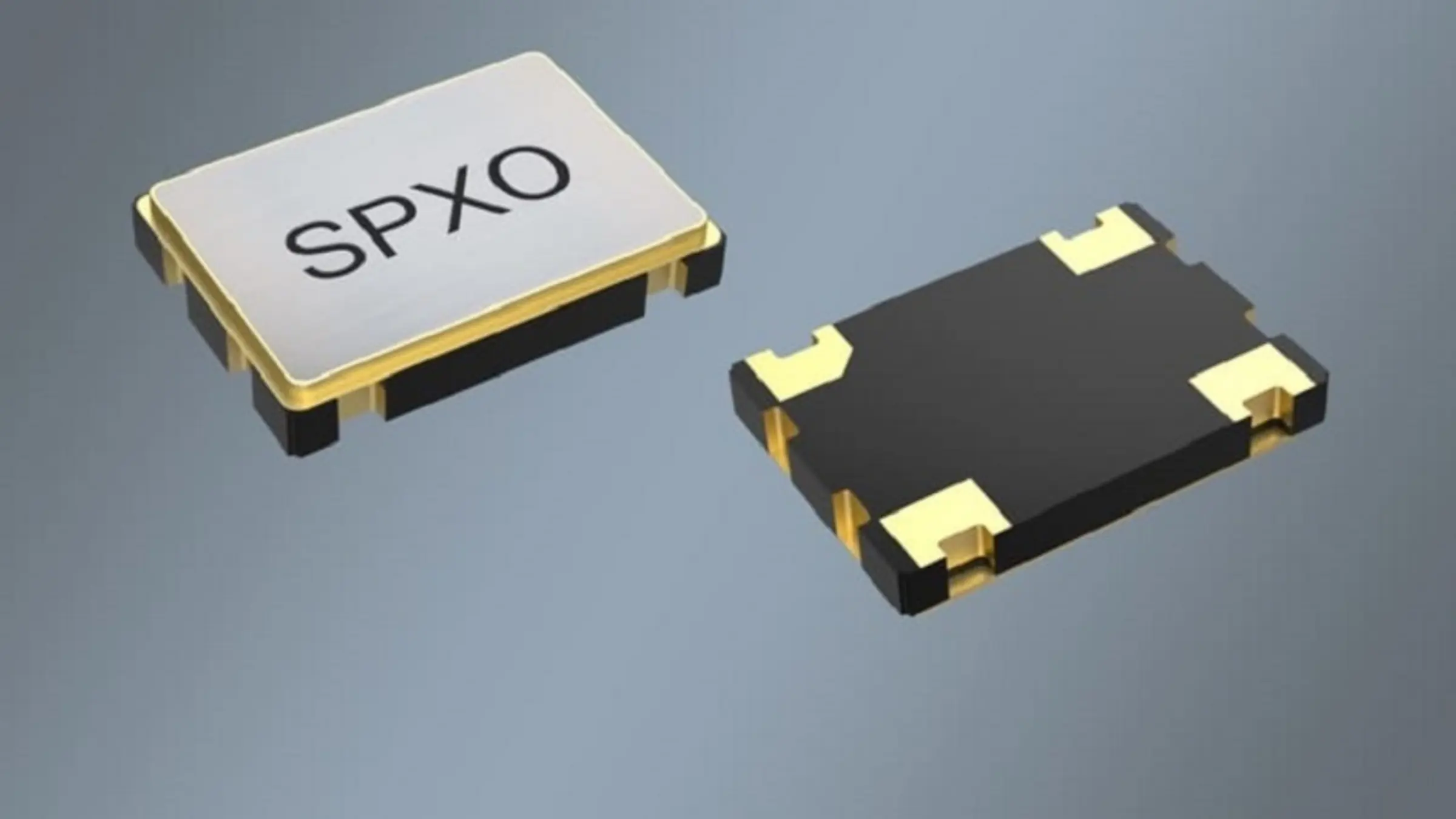
SPXO: Simple quartz oscillators or also called CLOCK oscillators

An SPXO uses a feedback amplifier in which the crystal acts as a frequency-determining element. The frequency results from the condition that the phase shift in the loop is a multiple of 2π. Stability and low noise depend on the quality of the crystal, the IC used and the circuit design.

The frequency can be fine-tuned by specifically adjusting the load capacitance. Important here are

  • Frequency accuracy
  • Temperature behaviour
  • Dependence on operating voltage
  • Long-term and short-term stability
  • Load sensitivity

SPXOs are the most commonly used oscillators in the world. In terms of quantity, they are also superior to MEMS oscillators, and not just in terms of price.

Temperature behaviour

Temperature changes affect the crystal frequency, even with temperature-stable AT-cut crystals. Additional switching elements or ICs can worsen this behaviour. Frequency division is a possible method of improving accuracy at low frequencies.

Operating voltage and load influences

The frequency is sensitive to voltage changes, particularly due to the change in capacitance of the amplifier transistors. The load impedance at the output also influences the frequency. Buffer amplifiers help to minimise these effects.

Long-term behaviour

Frequency ageing is usually greatest in the first few months of operation. So-called "burn-in" at elevated temperatures can reduce this ageing. Highly stable oscillators remain in standby mode to avoid frequency drift when switching on.

VCXO: Voltage-controlled crystal oscillators

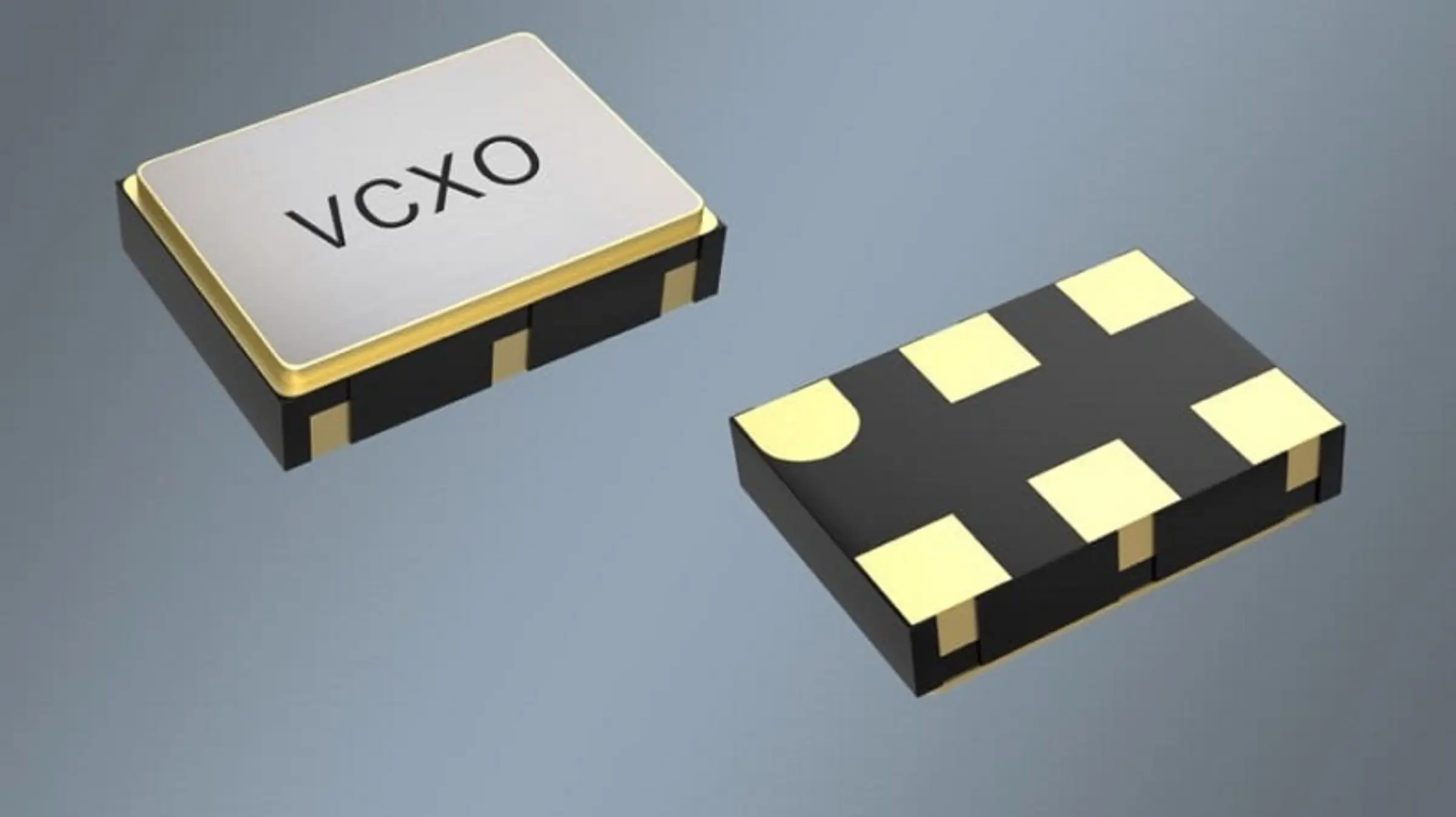
VCXOs (voltage controlled quartz oscillators) enable frequency control via an external DC voltage. They are normally only used to synchronise a device/application to an incoming reference signal (master-slave concept) or for frequency modulation. A capacitance diode (varactor) replaces the trimming capacitor.

Typical parameters:

  • Frequency pull range (pull range = for example ±50ppm min.)
  • Pull sensitivity (pullability = for example ±10ppm/pF)
  • Non-linearity of the modulation (e.g. 10% max.)

Of course, you can also define VCXOs using our product configurators. To do this, click on : : https://www.petermann-technik.de/produkte/quarz-oszillatoren.html

TCXO: Temperature-compensated crystal oscillators

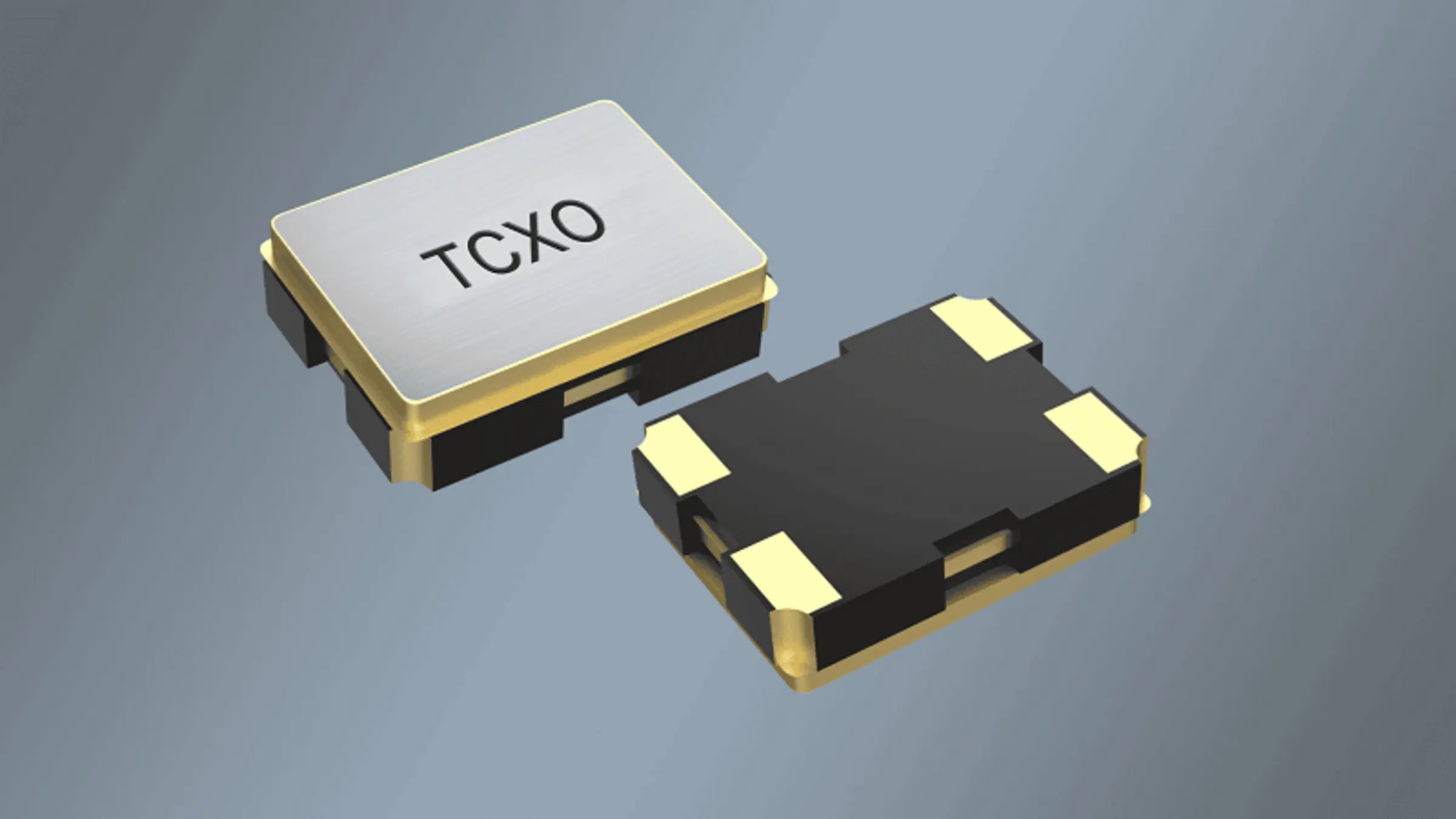
With the TCXO, the frequency change is compensated by temperature. Depending on the process, control can be analogue (with thermistor networks) or digital (with sensor, ADC, memory and DAC).

TCXOs are experiencing a real renaissance in communication and navigation technology and can be manufactured very cheaply thanks to the ICs we use. TCXOs are the most widely used high-precision crystal oscillators and are characterised by very good phase noise and excellent jitter values. This also makes TCXOs the first choice and preferable to MEMS oscillators when they are used in circuits with subsequent frequency multiplication.

Typical areas of use are GPS and GLONASS applications, smart phones, radio devices, IoT, IIoT, smart meter applications, routers, measuring devices, etc.

Achievable frequency stability:

  • Typically <0.5 - 2.5 ppm over -40 - +85 °C

Of course, we can also supply TCXOs in the temperature range of up to -40/+125°C, or automotive-compliant solutions. Simply customise your desired TCXO here: https://www.petermann-technik.de/produkte/quarz-oszillatoren.html

OCXO: Temperature-stabilised crystal oscillators

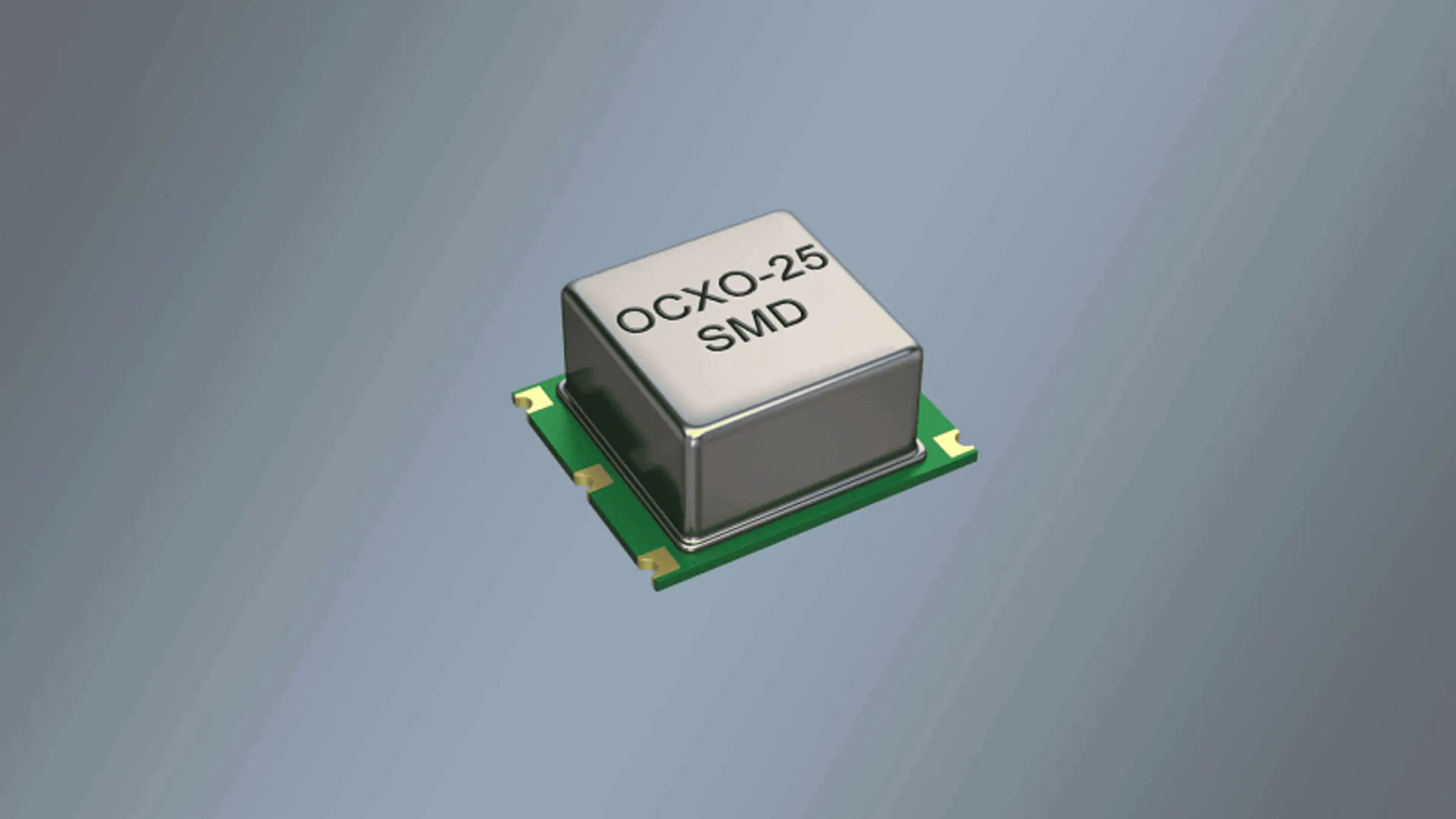
OCXOs work with a heated thermostat that keeps the quartz and possibly the circuit at a constant temperature. With the OCXO, the thermostat temperature can be in the range of +85°C. In principle, the heating temperature is close to the reversal point of the quartz TC curve. To minimise the frequency drift of the quartz resonator, a quartz crystal is used in an overtone in the OCXO. Normally in the 3rd or 5th overtone. In the 5th overtone in particular, the dynamic capacitance C1 (shunt capacitance) is very low, which makes it easier to compensate for the crystal frequency.

There are single-stage and two-stage (double) thermostats. The latter offer maximum temperature stability with low frequency deviations. Furthermore, depending on the required accuracy, quartz resonators in AT or SC cut are used. SC-cut crystals offer a much higher frequency accuracy and a much higher temperature stability than AT-cut crystals.

Typical accuracies:

  • < 1 x 10E-7 (OCXO single)
  • < 1 x 10E-9 (OCXO double)

Due to energy consumption and size, OCXO use is usually reserved for high-precision applications such as mobile phone base stations, GPS reference standards, measurement technology or telecommunications.

Summary of important oscillator parameters

  • Nominal frequency and tolerance
  • Frequency change due to: Temperature, voltage, load, time (ageing)
  • Run-in behaviour, short-term stability
  • Power supply: voltage, current, ripple
  • Output signal: level, shape, noise
  • Environmental factors: temperature range, shock, vibration

LPXO - Low Power Crystal Oscillators

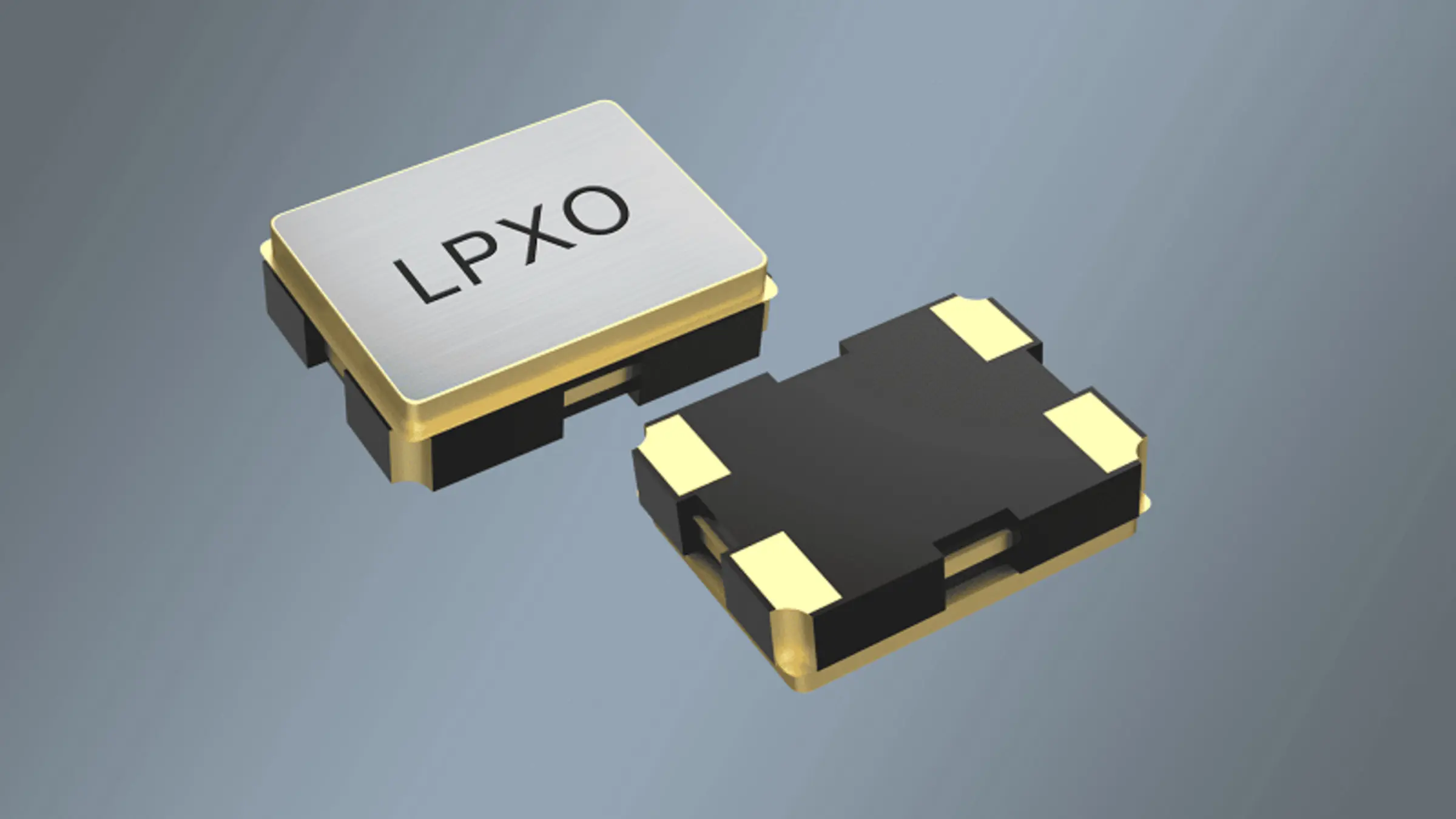
LPXOs are a "middle ground" between SPXOs and TCXOs. LPXOs are always used when either low power consumption is required or the frequency tolerance of an SPXO is too low but that of a TCXO is too precise. This means that an LPXO is always cheaper than a TCXO.

Telephone contact

Our frequency experts are there for you

Call now

Write to us

Send us an e-mail - we will be happy to help you

Write an e-mail now